Latest storyCaddieMyGolfSpyNovember 14, 2026
Why Do I Hit My Driver Low On The Face?
Half the ball above the crown is the starting point. Raise the tee before you overhaul the swing.


Looking for a swing fix or a smarter way to lower your score? These are my picks of golf instruction, drills, putting advice and scoring strategy, with a quick takeaway before you open the original video or article.
Half the ball above the crown is the starting point. Raise the tee before you overhaul the swing.
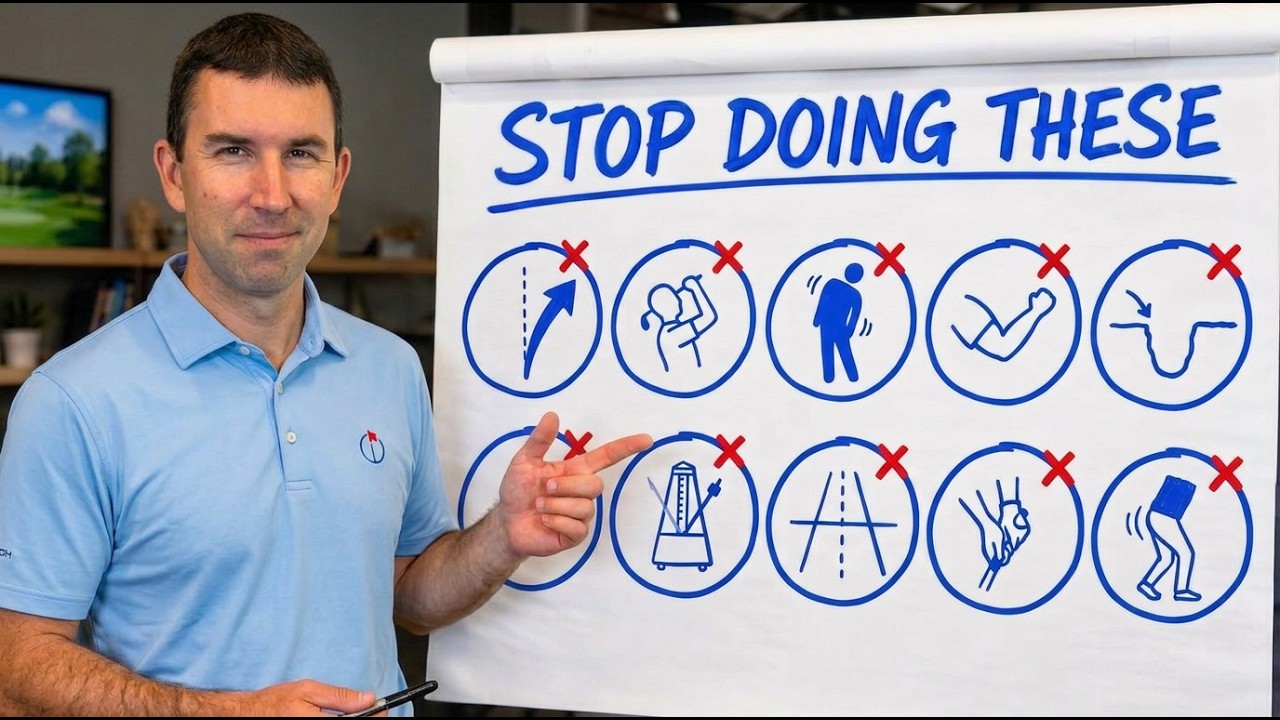
Jon Sherman always hits you with the points that matter. Good to understand the data and course strategy to help you get lower scores.
They're right. Great advice on how to hit the long fairway bunker effectively.

Stop reaching for the driver. Drop a ball from your chin and it should hit the grip.
Stroke and distance, hitting 3 from the tee. Brutal, but at least you get to tee it up again.
Broadie is right. Going from 90 to 80 happens off the tee and on approach. Inside and outside 100 is the play.

Rehearse a baseball swing on the tee. It kills the over the top cut.

Put the lob wedge away. This chip putt wants a pitching wedge or an 8 iron.
We’ve all had a few shanks. Now we know why 😂
Amateurs obsessing over a pretty stroke should listen up: Bridgeman thinks about read and speed instead. Stop treating putting like a beauty contest.
When the ball sits down around the green, the careful scoop is the amateur trap. Open the face and take a longer swing instead.
Put the lob wedge away. With green to work with, a 9 iron only needs to clear the fringe and roll out.
On an uphill bunker lie the slope already adds loft, so a 40 yard shot calls for a square face and a gap or pitching wedge.
To see where your divot starts, set a tee outside the swing area to mark the ball's original spot and compare it with the start of the divot.
Debbie Doniger's cue is to picture the toe brushing the grass like striking a match, which gives an open faced wedge a shallow, clean strike.
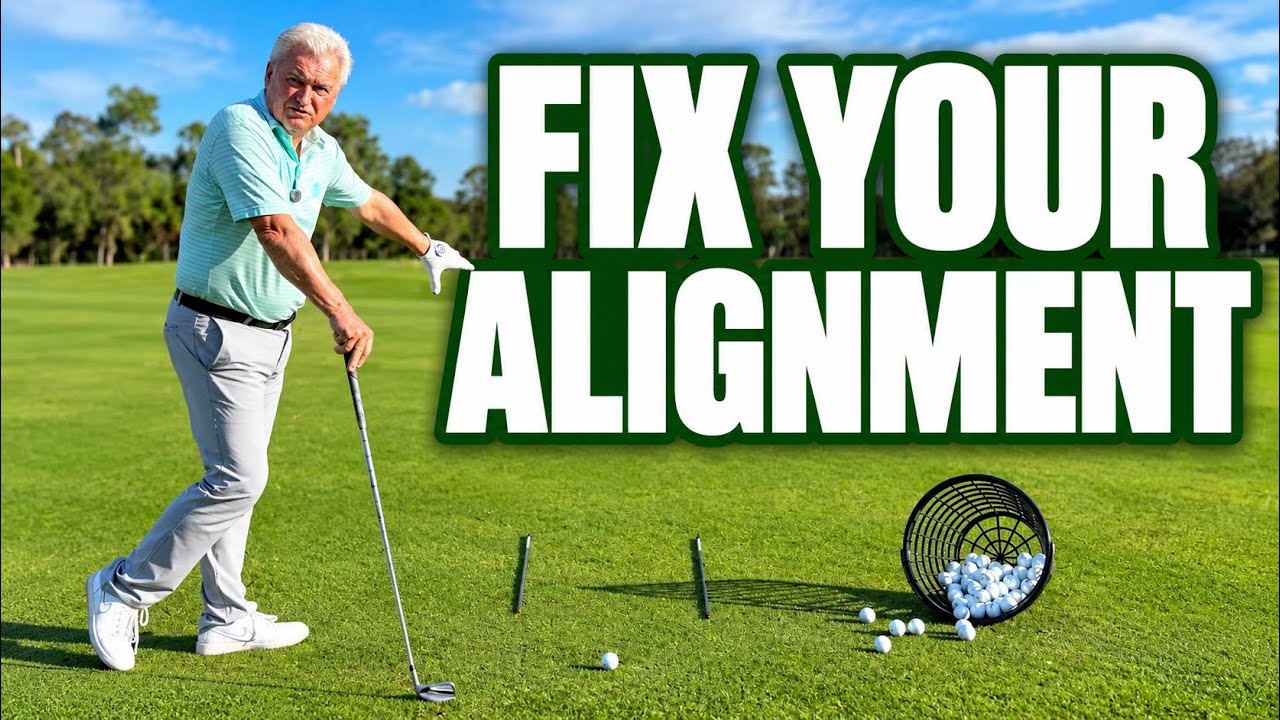
Aim the clubface at the target first, then set your body to it, using an alley of alignment rods out in front of the ball.
Her fix is to keep your head down and hear it go in. A teacher says peeking early changes your posture and makes a square face harder.
Many instructors suggest setting your dominant eye over the ball or just inside it, since otherwise the line of the putt can look slightly off.
Watch a skilled player's lead hip in slow motion. It rises while the arms keep moving down, because the golfer pushes into the ground and it pushes back.
Setting up with a square face uses the leading edge to dig instead of the bounce, so hitting a hair behind the ball means a chunk.

A start well right of the target points to an open face at impact, not your path. Another banger from Jon- get your driver straight and golf is much easier.
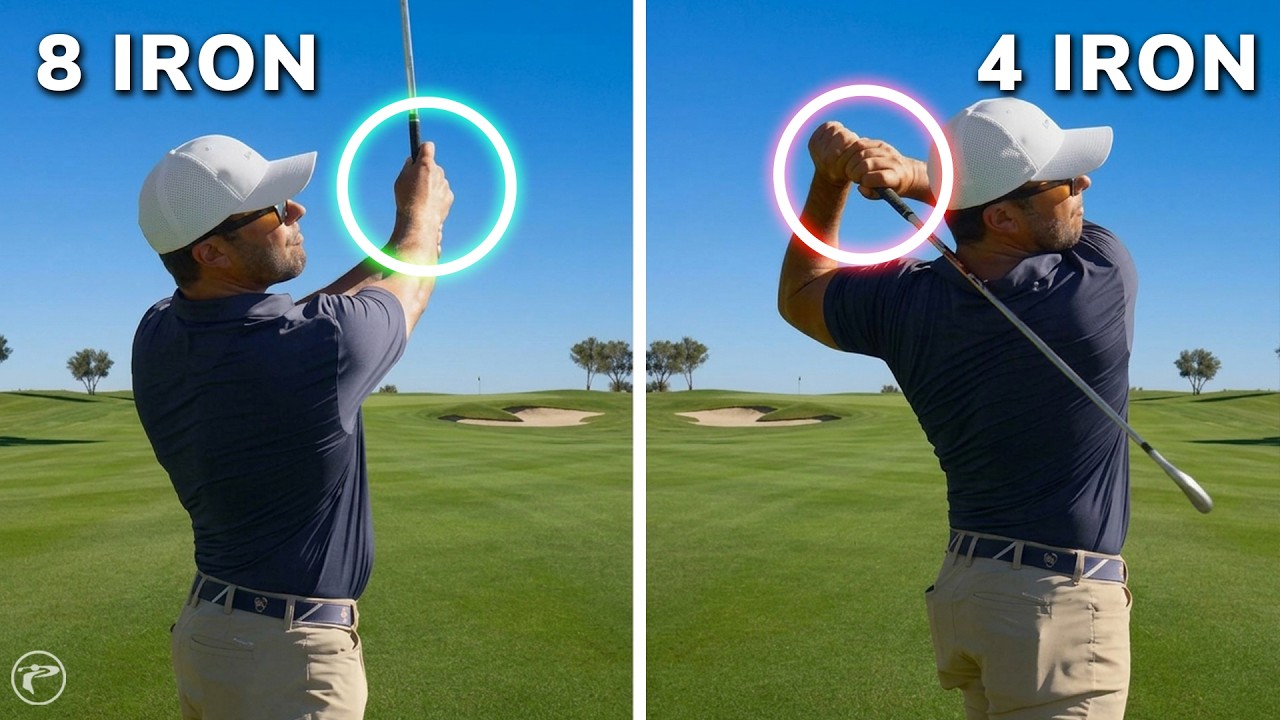
Long irons want a stance a touch wider than your shoulders and the ball nearer your lead chest. The big difference is a later body release.
Miss the first gate and it's your start line, miss the second and it's speed. Four ball marks will finally tell you why putts lip out.
A slight pull aimed at a palm tree behind the green's middle still finished three feet from the hole. Pick conservative targets and swing aggressively.
Look behind you before you take it back and your shoulders turn more freely. Adding this one as a favorite this winter for offseason exercises.

Crossfield calls bounce an insurance policy through the turf, and the right sole setup stops thinned chips off hardpan. Learn your lies before blaming your hands.

The drill is a half swing 8 iron that stops with your arms about horizontal to train extension.
Going from a 20 to a 15 handicap, 96% of the gain comes from fewer over par holes. Stop chasing birdies and start killing doubles.
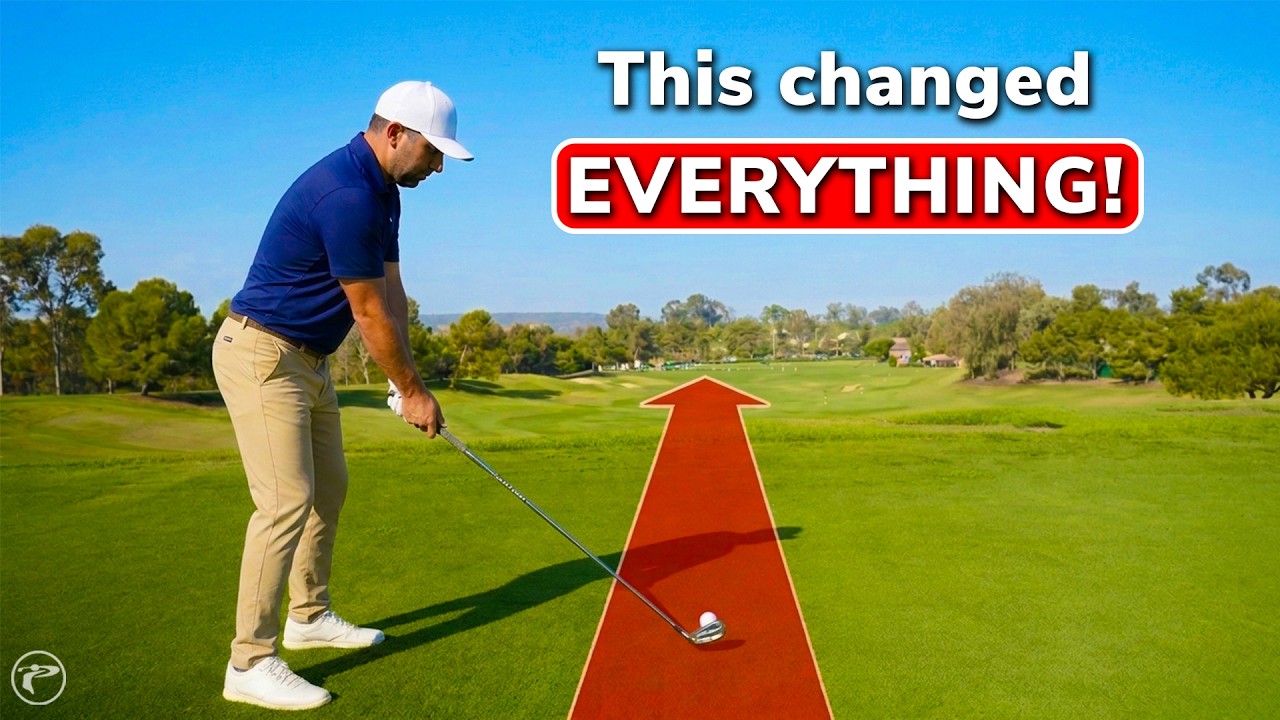
Measure ball position from your sternum, not your feet, and move it about half an inch forward per club. That's a checkpoint any weekend hacker can use.
Averill went from a 13 to a 7.5 in six months, and the stick drill tops his list. Bruises and all, that one is worth a read.